
Introduction
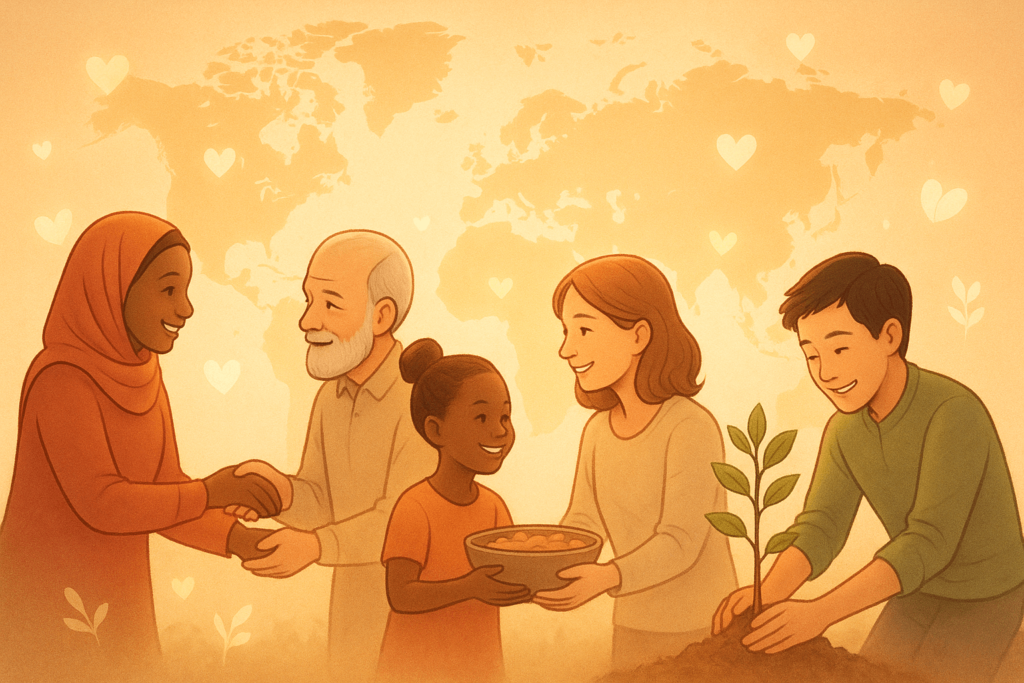
“Hold the door for a stranger, and you might just open a window in their day.”World Kindness Day (WKD), observed every 13 November since 1998, invites us to notice how those tiny sparks, a smile, a donated coat, or a planted tree can glow into something much brighter. In this article we will:
- Trace the short but fascinating history of the day.
- Explore why practicing kindness helps people, animals, and the planet.
- Share simple, actionable ideas for individuals, schools, and workplaces.
- Highlight inspiring stories from across the globe.
- Offer resources for anyone ready to turn good intentions into everyday habits.
Pull up a chair, maybe invite a friend, and let’s talk about kindness, one of humanity’s oldest yet most underrated super-skills.
A Brief History of World Kindness Day
Origins in Tokyo
- 1997: Representatives from Thailand, the UK, Australia, and several other nations met at a Tokyo conference to talk about fostering a more compassionate world.
- Their discussions birthed the World Kindness Movement (WKM).
“The mission is simple: inspire individuals toward greater kindness and connect nations to create a kinder world.” – World Kindness Movement (kindnessmovement.org)
Why 13 November?
On 13 November 1998, the WKM inaugurated the first official World Kindness Day. Since then, governments (from Singapore to Liberia), NGOs, schools, and everyday citizens have adopted the date, making it an informal global holiday grounded in goodwill rather than geography.
Why Kindness Matters
1. Human Well-Being
Research from Oxford and Harvard universities shows that performing or receiving simple acts of kindness can:
- reduce cortisol (the stress hormone)
- increase serotonin and oxytocin, the so-called “feel-good” chemicals
- improve overall life satisfaction (source: Journal of Positive Psychology, 2020)
2. Animal Welfare
Compassion toward animals spills into wider environmental stewardship:
- Reduced meat waste is linked to lower greenhouse gas emissions.
- Local shelters note adoption spikes around WKD campaigns highlighting “adopt, don’t shop.”
3. Planetary Health
Kindness to Earth means:
- Participating in neighborhood clean-ups
- Choosing reusable items over single-use plastics
- Supporting rewilding initiatives that restore habitats
According to the UN Environment Programme, these small collective changes can reduce municipal waste volumes by up to 15 % annually.
Simple Acts of Kindness Anyone Can Try
Household & Neighborhood Ideas
- Leave a thank-you note for your mail carrier.
- Share surplus garden vegetables with neighbors.
- Offer to babysit for a new parent needing an hour’s break.
Eco-Friendly Gestures
- Carry a spare reusable bag and gift it to someone forgetting theirs at the store.
- Swap fast-fashion buys for thrifted clothing and mention why to friends education by example.
Kindness-on-the-Go
- Pay the bus fare for the rider behind you (where local rules allow).
- Compliment someone’s artwork, hairstyle, or presentation sincerely and specifically.
Stories That Prove Kindness Travels
The “Suspended Coffee” Tradition – Naples, Italy
Customers buy two coffees: one for themselves, one “in suspense.” Anyone in need can later claim it for free. The practice has traveled from Naples to cafés in Canada, the Philippines, and South Africa.
“Good Deeds Day” – Tel Aviv, Israel
Started by businesswoman Shari Arison in 2007, the initiative now involves over four million volunteers worldwide, many coordinating their event with WKD for a month-long kindness wave.
“Kindness is the only investment that never fails.” – Henry David Thoreau
This quote often appears in community centers during WKD celebrations to remind volunteers why they show up.
Bringing Kindness to Work and School
Workplace Strategies
- Compliment Slack Channel: A company in Berlin created #kudos to publicly thank teammates; employee surveys linked it to a 10 % rise in job satisfaction.
- Meeting Warm-ups: Start each staff meeting with a gratitude round one minute, one appreciation each.
School Initiatives
- “Kindness Calendars” where students color a square after completing a daily friendly act.
- Peer-mentoring programs pairing older and younger students to reduce bullying (case study: Finland’s KiVa program, https://www.kivaprogram.net).
Digital Kindness: Social Media and Beyond
Think Before You Type
- Pause 30 seconds before responding to an inflammatory post.
- Ask: “Would I say this face to face?”
Amplify Good News
- Share verified stories of community heroes.
- Tag organizations doing impactful work; a simple retweet can boost donations.
Callout:
“Algorithms favor engagement let’s give them positive engagement.”
Online Volunteering
- Translate documents for crisis-relief NGOs on platforms like Translators Without Borders.
- Offer virtual tutoring to students in underserved regions via websites such as UPchieve.
Getting Involved: Events and Resources
- Visit the official WKM website for a map of registered WKD events.
- Check local council or city pages for park clean-ups or food-drive schedules.
- Download free “Kindness Cards” templates from nonprofit Random Acts of Kindness Foundation.
- Join or start a Meetup group focused on environmental or social volunteering.
Conclusion – Your Invitation to Start the Ripple
Kindness isn’t confined to grand gestures or annual observances; it thrives in daily routines: a text to an old friend, picking up litter on your jog, or pausing to truly listen. On 13 November World Kindness Day millions of people will act with intention, proving that decency scales when we all add one drop.
So, what’s the first small act you’ll choose today? Share it with us in the comments or on social media using #WorldKindnessDay. Your story might just inspire the next person and keep the ripple moving.