
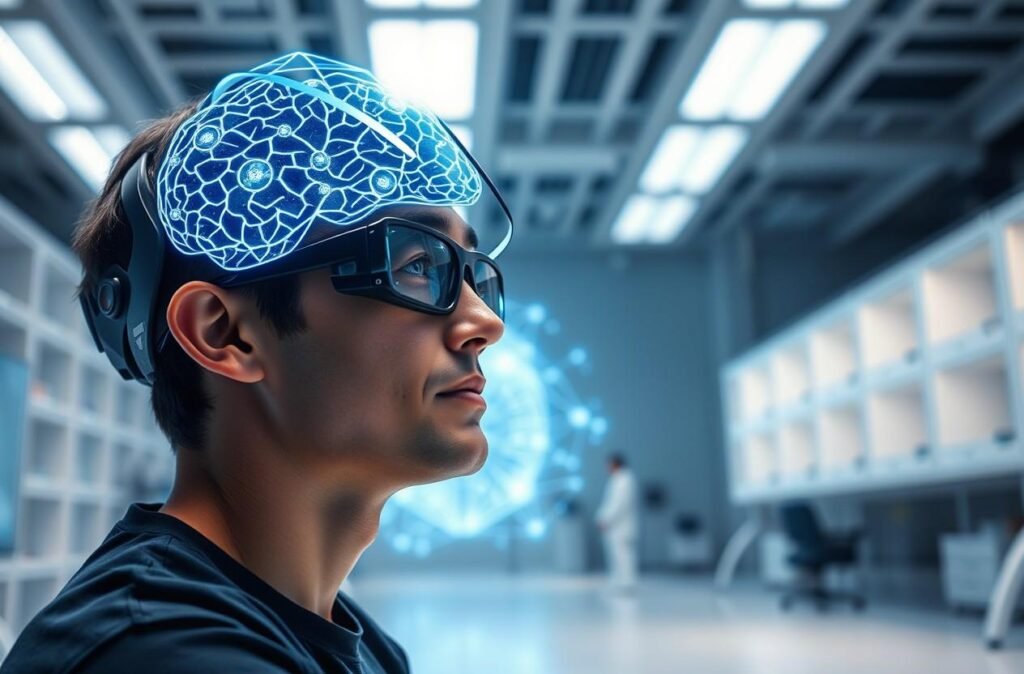
In a world where technology continuously shapes our future, the promise of restoring sight to the blind is no longer just a figment of science fiction. Elon Musk, the visionary behind groundbreaking endeavors like SpaceX and Tesla, suggests that Neuralink, his neural interface company, will help blind individuals regain their vision within a year. This ambitious claim has sparked intrigue and skepticism alike. In this article, we explore how Neuralink plans to achieve this remarkable feat, the science behind it, and the implications it holds for the future.
🔍 Understanding Neuralink: Merging Minds with Machines
Neuralink is a neurotechnology company founded in 2016 by Elon Musk and a group of engineers and scientists. The company’s central mission is to develop implantable brain-machine interfaces (BMIs) that allow direct communication between the human brain and computers. While the concept may sound futuristic, Neuralink is pushing the boundaries of what is possible today.
The Science of Neural Interfaces
- Brain-machine interfaces: These devices bypass traditional neural pathways damaged due to injury or disease. By directly interfacing with the brain’s neurons, BMIs can restore functionality such as vision or movement.
- The Neuralink device: Composed of ultra-thin electrodes implanted in the brain, this device aims to read and interpret neural signals. It then translates these signals into commands that a computer can understand.
- Surgical procedure: Neuralink’s device implantation is designed to be minimally invasive, utilizing advanced robotics to precisely insert the electrodes into specific brain regions.
👁️The Journey from Theory to Reality: Restoring Vision
The notion of restoring vision through BMIs involves a nuanced understanding of the brain’s visual pathways. Neuralink’s approach focuses on stimulating the visual cortex, the area of the brain responsible for interpreting visual information.
How Neuralink Plans to Restore Vision
- Mapping the visual cortex: The initial step involves understanding how the brain processes visual information. Researchers map the neural patterns associated with different visual stimuli.
- Stimulating neural patterns: By sending specific electrical signals to neurons within the visual cortex, Neuralink’s device aims to recreate these patterns, essentially “tricking” the brain into perceiving visual data.
- Adaptive learning algorithms: Machine learning algorithms are employed to fine-tune these signals, ensuring they align closely with natural vision. This adaptability is crucial for individual differences in neural pathways.
⚠️Challenges and Ethical Considerations
While Neuralink’s potential to restore vision is groundbreaking, it is not without its challenges and ethical concerns.
Technical Hurdles
- Precision of neural stimulation: Achieving the right level of precision in neural stimulation is a complex challenge. Inaccurate stimulation could lead to distorted or incorrect visual perceptions.
- Long-term stability: Ensuring the implanted device remains stable over time without degrading or causing adverse effects is crucial for its success.
Ethical Implications
- Consent and privacy: The possibility of interpreting and manipulating neural data raises issues regarding informed consent and privacy. Individuals must fully understand and agree to the potential risks and benefits.
- Accessibility and affordability: As with any pioneering technology, ensuring global accessibility and affordability will challenge the economic frameworks surrounding neural technologies.
“Neuralink’s promise of restoring sight is as profound as it is ambitious. While the path to realizing such potential is fraught with challenges, it evokes a sense of wonder about the boundless capabilities of human innovation.”
💡The Path Forward: Hope or Hype?
While Skepticism surrounds Musk’s timeline, the drive toward restoring sight hints at the transformative potential of neural interfaces. Whether or not Neuralink meets its projected goal within a year, the scientific advancements made along this journey will undoubtedly contribute to a deeper understanding of the brain and the possibilities of human augmentation.
🔮The Future of Neural Interfaces
- Broad applications: Beyond restoring vision, Neuralink’s technology holds promise for treating various neurological conditions, enhancing cognitive abilities, and even exploring virtual reality in unprecedented ways.
- Collaborative innovation: The progress made could pave the way for collaborations across scientific disciplines, inspiring novel approaches and innovative solutions.
In conclusion, Neuralink’s vision of helping blind people see once more represents not just a technological breakthrough but a profound leap in human capability. While challenges remain, the prospect offers a glimmer of hope for many around the world. As we stand on the precipice of a new era, the conversation stimulated by Neuralink’s objectives invites us all to consider the limitless possibilities of merging technology with the human experience.
Discover how Neuralink aims to restore vision to the blind using brain-machine interfaces and AI exploring the science, ethics, and future of neurotech.