
Why World Environment Day 2026 Matters More Than Ever
Imagine waking up to a world where clean air is a luxury, water shortages are common, and extreme weather events disrupt daily life. While this may sound like a distant future, many communities around the globe are already experiencing these challenges today.
That is exactly why World Environment Day 2026 is not just another date on the calendar. It is a global reminder that the choices we make today will shape the future of our planet for generations to come.
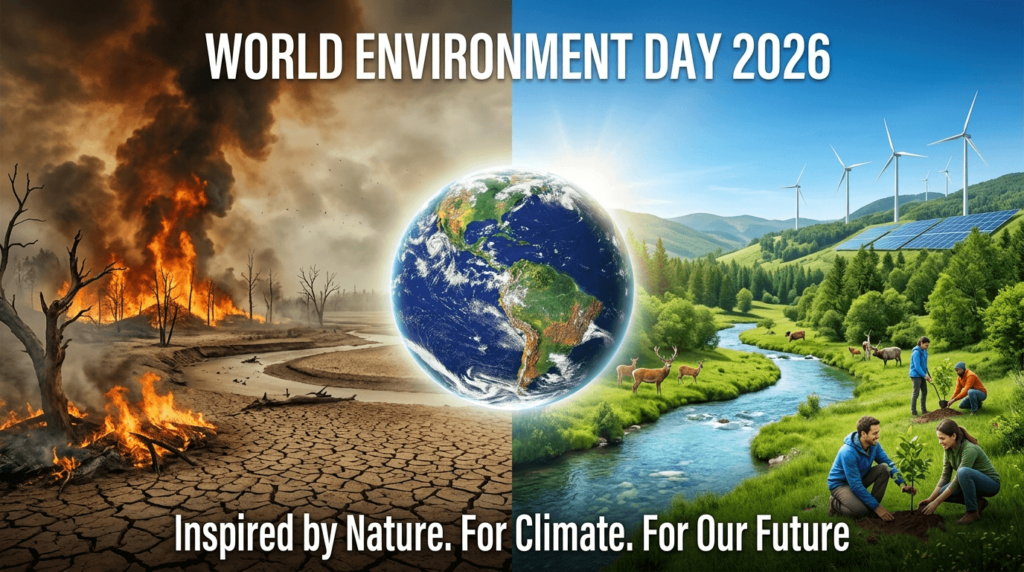
The official World Environment Day 2026 theme, “Inspired by Nature. For Climate. For Our Future,” encourages people, businesses, and governments to look toward nature-based solutions to address climate change and environmental degradation.
But what does this theme actually mean for ordinary people? More importantly, how can each of us contribute in meaningful ways?
Let’s explore.
What Is World Environment Day?
World Environment Day is celebrated every year on June 5 and is recognized as the largest global platform for environmental awareness and action.
Established by the United Nations Environment Programme (UNEP) in 1972, the day brings together millions of people from over 150 countries to discuss environmental challenges and promote sustainable solutions.
The event focuses on pressing environmental issues such as:
- Climate change
- Deforestation
- Plastic pollution
- Biodiversity loss
- Water scarcity
- Sustainable living
Each year, a specific theme highlights a critical environmental concern requiring global attention.
World Environment Day 2026 Theme: Inspired by Nature. For Climate. For Our Future
The 2026 theme delivers a powerful message:
Nature is not separate from us it is our greatest ally in fighting climate change.
For decades, human activities have placed enormous pressure on ecosystems. Forests have been cleared, wetlands destroyed, and biodiversity reduced at alarming rates.
However, nature itself offers many of the solutions we need.
Nature-based climate solutions include:
Restoring Forests
Trees absorb carbon dioxide from the atmosphere, helping reduce greenhouse gases while supporting wildlife habitats.
Protecting Wetlands
Wetlands act as natural water filters and carbon sinks while reducing flood risks.
Regenerating Soil
Healthy soil captures carbon, improves agricultural productivity, and strengthens food security.
Conserving Oceans
Marine ecosystems play a crucial role in regulating Earth’s climate and producing oxygen.
The theme reminds us that investing in nature is investing in our future.
The Growing Climate Challenge
Climate change is no longer a problem for future generations.
Its impacts are already visible worldwide.
Rising Temperatures
Global temperatures continue to increase, leading to longer heatwaves and increased health risks.
Extreme Weather Events
Floods, droughts, storms, and wildfires are becoming more frequent and severe.
Loss of Biodiversity
Thousands of plant and animal species face extinction due to habitat destruction and changing environmental conditions.
Food and Water Insecurity
Climate disruptions affect agricultural productivity and freshwater availability across many regions.
The reality is simple:
Without urgent action, environmental challenges will become increasingly difficult and expensive to manage.
How Nature Helps Fight Climate Change
Many people assume climate solutions depend entirely on advanced technology.
While innovation is important, nature remains one of our most effective tools.
Forests Capture Carbon Naturally
Forests absorb billions of tons of carbon dioxide every year, helping slow global warming.
Mangroves Protect Coastal Communities
Mangrove ecosystems reduce storm damage, prevent coastal erosion, and store significant amounts of carbon.
Urban Green Spaces Cool Cities
Parks, gardens, and green roofs help reduce urban heat while improving air quality.
Biodiversity Strengthens Ecosystems
Healthy ecosystems are more resilient to environmental changes and extreme weather events.
Nature works continuously to support life on Earth. The challenge is ensuring these natural systems remain healthy and protected.
Why Individuals Matter in Environmental Protection
One of the biggest misconceptions about environmental action is believing that individual efforts do not make a difference.
In reality, collective small actions create massive change.
Think about it:
If millions of people reduce waste, conserve energy, plant trees, and make sustainable purchasing decisions, the environmental impact becomes enormous.
Governments and corporations play critical roles, but meaningful progress requires participation from everyone.
Practical Ways to Support World Environment Day 2026
You do not need to become an environmental activist overnight.
Small, consistent actions often have the greatest long-term impact.
Reduce Single-Use Plastic
Carry reusable bags, bottles, and containers whenever possible.
Plant Native Trees
Tree planting helps improve air quality, supports biodiversity, and captures carbon.
Save Energy at Home
Switch off unused electronics and consider energy-efficient appliances.
Conserve Water
Fix leaks, reduce water wastage, and use water responsibly.
Support Sustainable Brands
Choose products and companies committed to environmentally responsible practices.
Participate in Community Cleanups
Local environmental initiatives help improve neighborhoods and raise awareness.
Educate Others
Share environmental knowledge with family, friends, and colleagues.
How Businesses Can Contribute
Businesses have a unique opportunity to drive large-scale environmental improvements.
Companies can:
- Reduce carbon emissions
- Adopt renewable energy
- Improve supply chain sustainability
- Minimize waste generation
- Use eco-friendly packaging
- Invest in environmental restoration projects
Consumers increasingly prefer environmentally responsible brands, making sustainability both an ethical and strategic business decision.
The Role of Young People in Building a Sustainable Future
Young people are becoming some of the strongest voices in environmental advocacy.
Across the world, students and young professionals are:
- Leading climate campaigns
- Promoting sustainable lifestyles
- Supporting conservation projects
- Driving innovation in clean technologies
Their passion demonstrates that environmental responsibility is not limited by age.
The future belongs to today’s youth, and many are already working to protect it.
What the Future Could Look Like
Imagine cities filled with green spaces.
Imagine cleaner rivers, healthier forests, and renewable energy powering communities.
Imagine a future where economic growth and environmental protection work together rather than compete against each other.
This vision is achievable.
But it requires action today.
The choices made by governments, businesses, communities, and individuals over the next decade will significantly influence the quality of life for future generations.
Key Takeaways from World Environment Day 2026
World Environment Day 2026 carries a message that is both urgent and hopeful.
The theme “Inspired by Nature. For Climate. For Our Future” reminds us that nature is not merely something to protect—it is one of our strongest partners in addressing climate change.
Whether through planting trees, reducing waste, supporting sustainable businesses, or advocating for environmental protection, every action contributes to a larger global effort.
The future of our planet is not determined by one major decision.
It is shaped by millions of small choices made every day.
Final Thoughts
World Environment Day 2026 is more than an awareness campaign. It is a call to rethink our relationship with the natural world.
Nature has supported humanity for thousands of years. Now, it is our turn to support nature.
As climate challenges continue to grow, the solution may not lie in fighting against nature but in learning from it.
Because when we protect forests, rivers, oceans, wildlife, and ecosystems, we are ultimately protecting ourselves.
And that is the true meaning behind this year’s theme:
Inspired by Nature. For Climate. For Our Future.